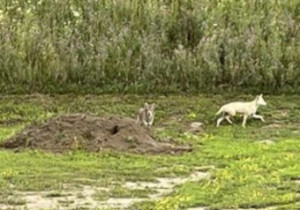
 A wide variety of wildlife have been spotted on the Port Hope Long-Term Waste Management Facility (PH LTWMF) site throughout the years. Coyotes, Red-tailed Hawks, Bald Eagles, Canada Geese, skunks, raccoons, rabbits, and numerous other bird species have been observed across the property. Wildlife sightings near active work areas are communicated to site personnel to help protect the animals as well as the workers.
Protecting the environment remains a key priority during Port Hope Area Initiative (PHAI) activities. Throughout the 2026 construction season, the environmental teams of our contract partners worked closely with Canadian Nuclear Laboratories (CNL), our subcontractors, and site personnel to monitor wildlife and vegetation across PHAI sites. Their efforts helped protect important species and habitats while work continued safely. Regular environmental meetings reinforce wildlife awareness and site-specific environmental protection requirements.
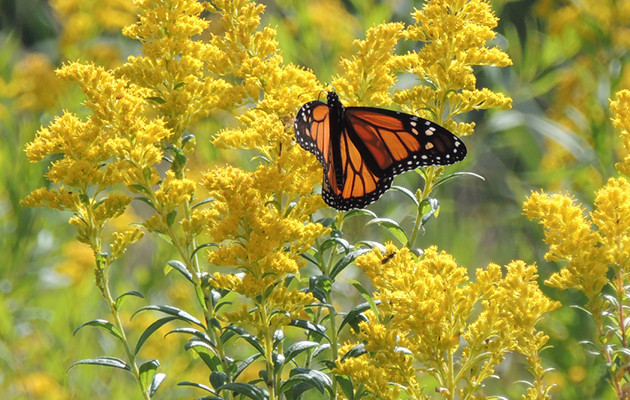
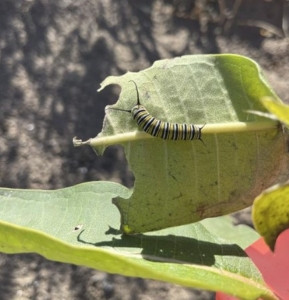 One of the fall’s most remarkable success stories is the continued presence of Monarch butterflies at the PH LTWMF. Environmental staff regularly discover Monarch eggs and caterpillars on milkweed plants throughout the facility, including in active work areas, demonstrating that Monarch butterflies, a species of conservation concern in Canada, continue to thrive at the site.
When Monarch activity is identified, environmental technicians immediately flag and protect the plants using signage and small buffer zones. Previously identified milkweed plants are also revisited regularly to monitor ongoing activity. Notably, Monarch caterpillars were still being observed onsite in late October, continuing the trend of late-season Monarch activity documented in previous years.
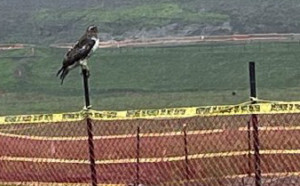 Nesting bird protection also remains an important focus throughout the season. Environmental specialists complete vegetation sweeps and targeted nest surveys before any vegetation removal or grass cutting activities take place. Several nests, including those belonging to Killdeer, Mallards, and American Robins, were identified and protected throughout the year. Some nests were discovered during formal surveys, while others were reported by vigilant workers carrying out routine maintenance activities. Once identified, nests were safeguarded through the installation of protective buffers and signage until nesting activities are complete.
Supporting wildlife often means creating habitat instead of just protecting it. At the PH LTWMF, an area south of the site’s main access road was intentionally left unmown to encourage milkweed growth and provide habitat for Monarch butterflies. Eastern Meadowlarks, a grassland bird species experiencing population declines across North America, have also been observed in the area. The area appears to be a suitable habitat away from construction activities.
Turtles are also often spotted at the site, with attention focused on the different ponds. When turtles are observed they are assessed, and if uninjured, safely relocated. During the 2026 season, 22 turtles were safely relocated with turtle exclusion fencing. Staff installed additional wildlife signage and implemented other protective measures as required.
From protecting Monarch habitat and nesting birds to safely relocating turtles, environmental stewardship continues to play an important role in PHAI activities. These efforts help ensure local wildlife can coexist with our work.