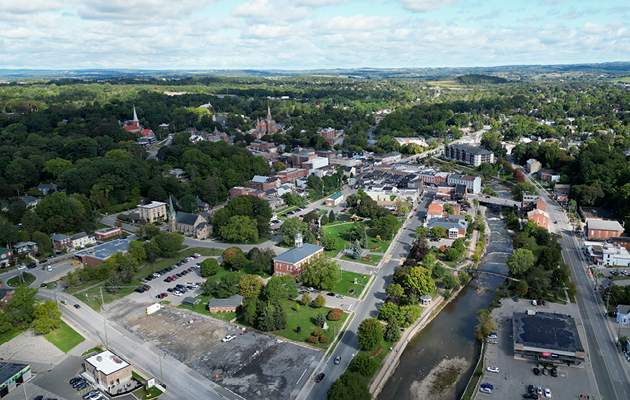
Port Hope Area Initiative (PHAI) activities in the community have become an all too familiar sight. Trucks moving soil on public roads, construction sounds in neighbourhoods, trees being removed and ongoing work at the harbour have become commonplace and even the cause of discontent for some residents. Behind this visible activity lies a story that stretches back nearly a century. It is one shaped by early industry, community resolve, and a shared commitment to a cleaner future for generations to come.
PHAI Today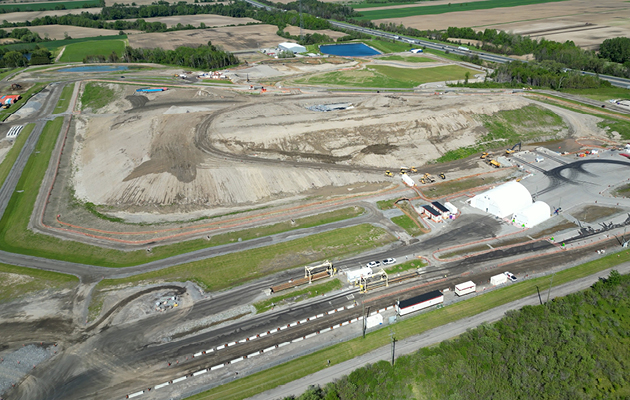
After years of environmental studies and regulatory approvals, followed by large-scale construction of the long-term storage facility, cleanup work began and continues today.
- There were nineteen known major sites in Port Hope requiring cleanup. As of June 2026, sixteen have been completed. The remaining three (Port Hope Harbour and Centre Pier, Highland Drive Landfill and the West Beach area) will all be completed by 2027.
- Almost 6,000 private properties in Port Hope were tested for the presence of historic low-level radioactive waste (LLRW). Over 1,200 residential properties and road allowances have been identified as having waste.
- In 2026 close to 400 private properties have been cleaned up and restored. There are a little over 100 properties in active cleanup, with the remainder moving to the design phase.
The Port Granby Project was successfully completed in 2021 with the capping and closing of the mound. Over 1.3 million tonnes of soil were safely moved from the shore of Lake Ontario and placed in safe long-term storage.
History of the Waste
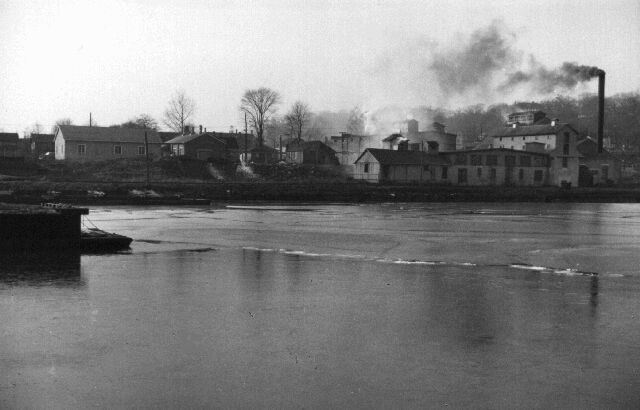 Port Hope’s connection to LLRW dates to the early 1930s, when a refinery was built to extract radium and later uranium from pitchblende ore. These materials were vital for medical treatments and emerging technologies of the time. In those early years, environmental standards were limited. Waste materials were commonly reused or disposed of in ways that were considered safe at the time. It was placed in ravines, used as fill in marshy areas, and even in construction.
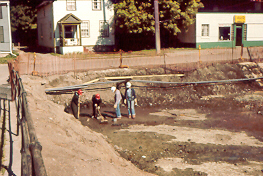 Decades later, in 1975, the extent of the spread of historic waste was formally recognized. Testing and early cleanup efforts followed, including the removal of approximately 100,000 cubic metres of contaminated material. However, a much larger volume remained dispersed throughout the community, leaving minor environmental concerns and a lasting stigma.
A Community-Led Solution
Rather than allowing the issue to settle, the people of Port Hope played a key role in shaping the solution. In 1989, the Community Liaison Group (CLG) was formed, bringing residents together to study options, engage the public, and provide recommendations to government. Through extensive outreach including public meetings, surveys, and education initiatives, the message from the community was clear: residents wanted a permanent, safe, and responsible cleanup.
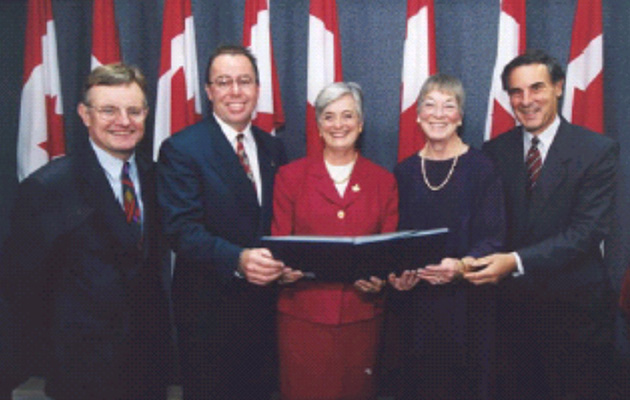 That collective voice led to a historic Legal Agreement in March 2001 between the Government of Canada and local municipalities that launched the Port Hope Area Initiative.
Is the waste safe?
The material being managed through the PHAI is classified as low‑level radioactive waste, which contains low concentrations of radionuclides. In Port Hope, the LLRW is typically soil or materials containing small amounts of radioactive elements, uranium and radium.
The historic low-level radioactive waste in Port Hope generally poses little to no risk to human health or the environment in its current state, provided it is properly managed and contained.
“Residents of Port Hope are just as likely to live safe and healthy lives as people in any other communities in Ontario or Canada. No adverse health effects have occured or are likely to occur as a result of the operations of the nuclear industry in the town.
The estimated intakes of uranium in Port Hope are from 0.6 to 3.2 ug/day. These values are comparable to the Ontario average and are only about 1/10 of the tolerable daily intake value recommended by the World Health Organization, whose established limits are considerably more restrictive than those of other organizations.
Risk assessments conducted in Port Hope indicate that elevated uranium concentrations in some of the region’s soils pose no risk to Port Hope residents’ health.”
Canadian Nuclear Safety Commission (June, 2009)
If the risks are already low, why undertake such a large project?
The answer lies in long-term responsibility. While the waste is low-level, leaving it dispersed throughout the community is not a sustainable solution. By consolidating it into controlled facilities, the PHAI provides long-term environmental protection, reduces uncertainty and concern within the community, and helps restore Port Hope’s natural spaces and reputation based on the community’s request.
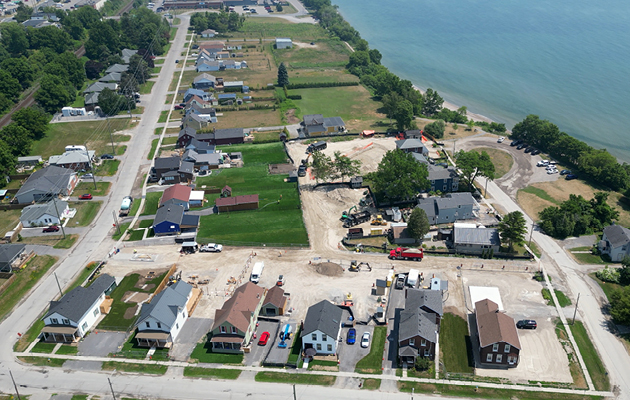 As the PHAI enters its final phase, work is more visible within neighbourhoods, particularly on private properties. While this can be disruptive at times, it represents the final steps of a decades-long journey.
CNL will continue to offer property owners the opportunity for a cleanup through the PHAI, with the intent to remain on schedule for completion of the project in 2032.
The story of the PHAI is not just about a cleanup; it is about a community that came together to solve a complex problem, guided by science, collaboration, and a commitment to doing what is right for future generations.