In recent weeks, there has been much talk about nuclear energy. As I pay close attention, I am compelled to join the conversation. It seems clear to me that we are poised for a nuclear renaissance, one where we fully embrace nuclear power. The search for clean energy with minimal environmental impacts is not likely to go away soon. Nuclear power is a low-carbon source that does not produce carbon dioxide during the operation of power plants.
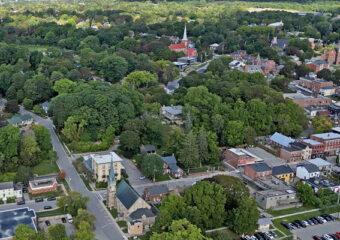
The demand for electricity is growing by leaps and bounds and the need for reliable, low-carbon energy continues to grow. Nuclear power is increasingly recognized as a key part of the solution. This is why words like “new nuclear”, “small modular reactors”, and “refurbishment” have all entered our day-to-day talks, especially in the small town I call home – Port Hope and our neighbours where many projects are underway. This is not meant to be a debate on whether nuclear is good or not, it is rather a recognition that as the world speeds up its transition toward low-carbon energy systems, nuclear power is proving to be a durable and effective part of our sustainable future.
While often discussed through the lenses of reliability, cost and efficacy, nuclear energy extends far deeper – to environmental stewardship, ecosystem restoration, and a cleaner tomorrow.
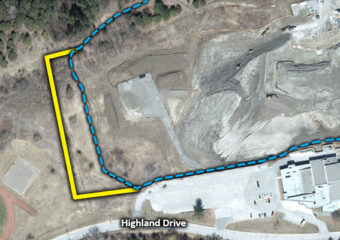
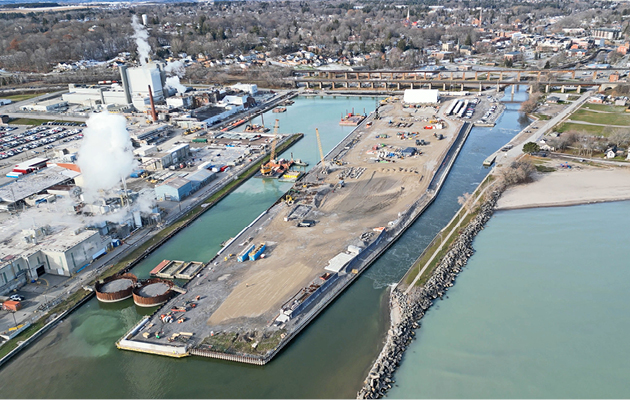
Environmental stewardship is central to responsible nuclear energy development and aligns with the vision of the work we have been carefully completing here in southern Ontario through the Port Hope Area Initiative (PHAI). By cleaning up once contaminated properties and restoring lands to community use, we are stewarding the lands for future generations. Historically impacted lands across the world are being cleaned, remediated, and returned to safe, productive conditions, often to the point where they can support new industries, public green space, or further energy innovation. Additionally, unlike many forms of energy production, nuclear power requires relatively small physical footprints, therefore preserving more land for wildlife, natural habitats, and community use.
The offshoots are clear – job creation and unlimited opportunities for industry. The conversations will likely continue, and it will be important for us to have informed discussions as we move forward. From where I sit, the future of nuclear – and the environmental benefits it brings – deserves a confident “yes”.
Scott Cameron
General Manager
Canadian Nuclear Laboratories